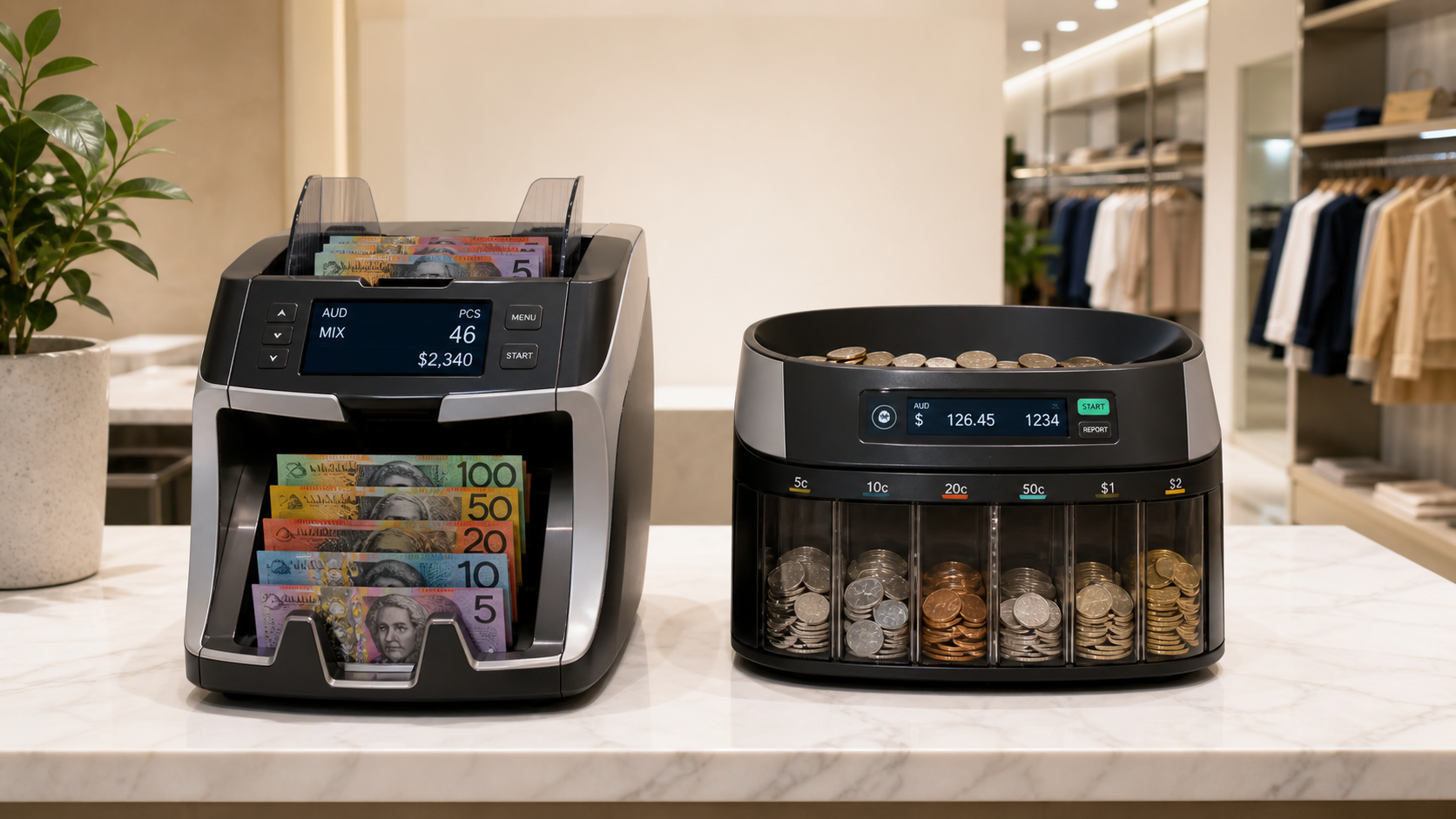
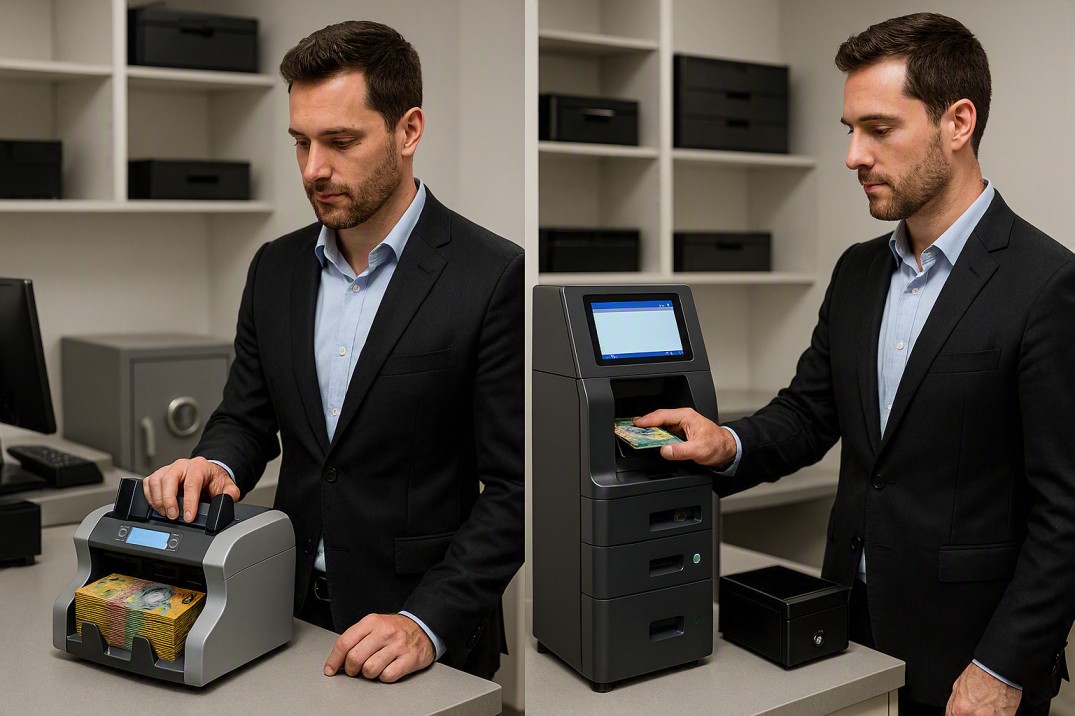
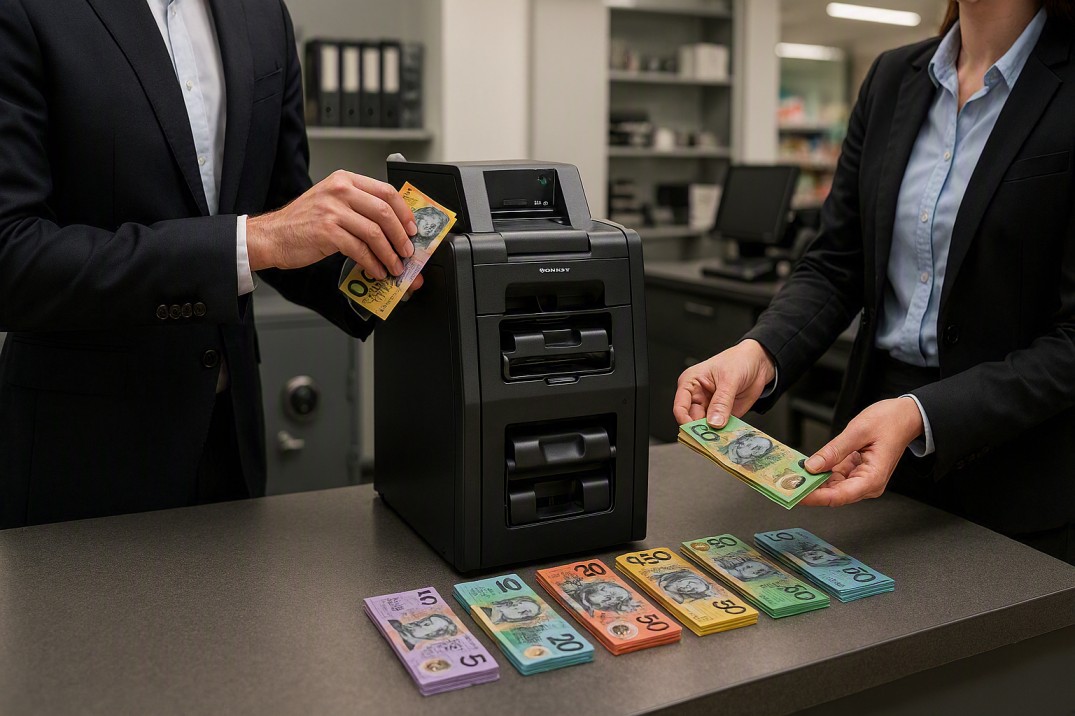
Quick Answer The short answer: note counters and coin counters are separate machines, and no single machine does both well. Whether you need both depends entirely on your...
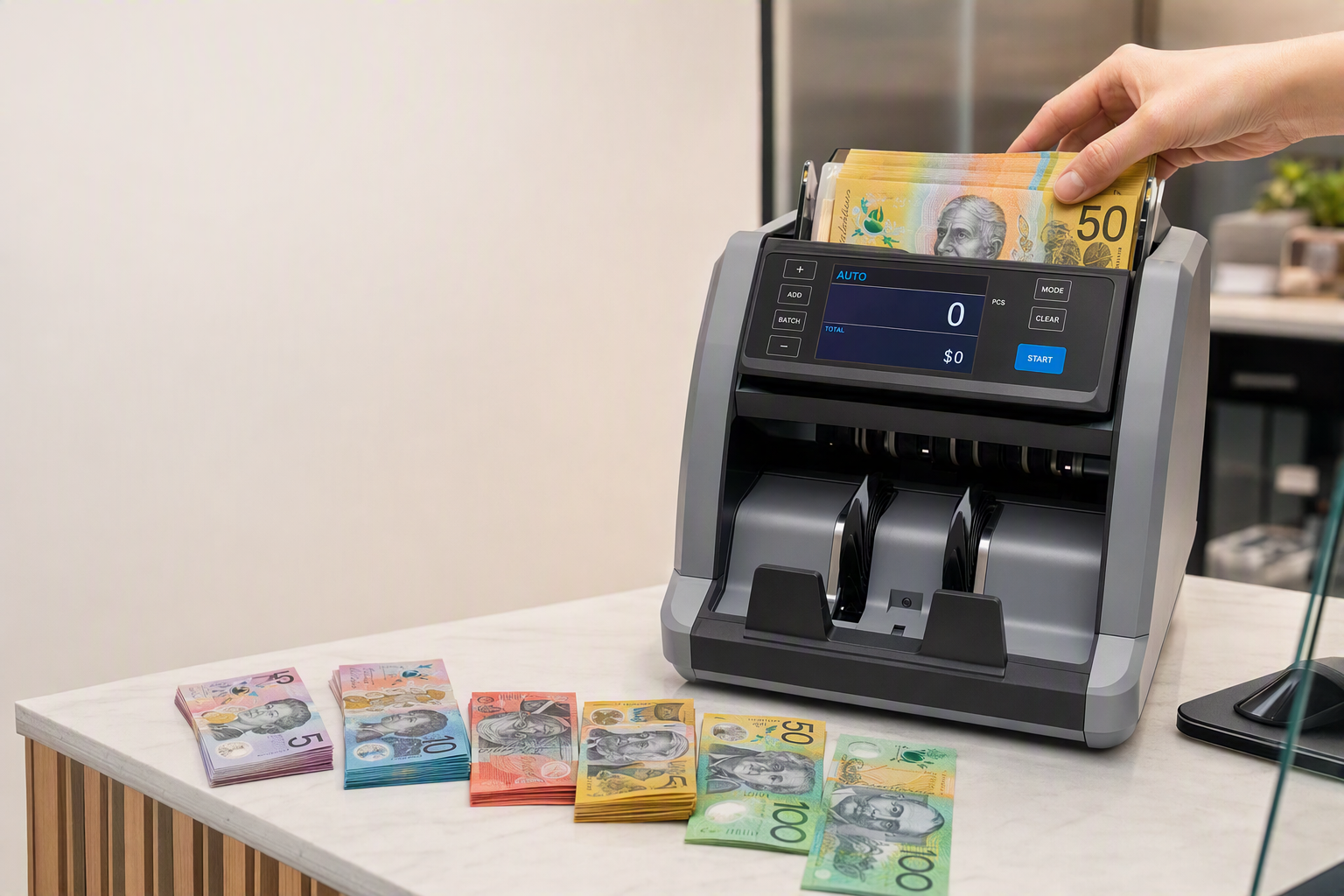
Quick Answer Hopper capacity is the number of notes a cash counting machine can hold in its input tray before you need to reload. Here is how much it...
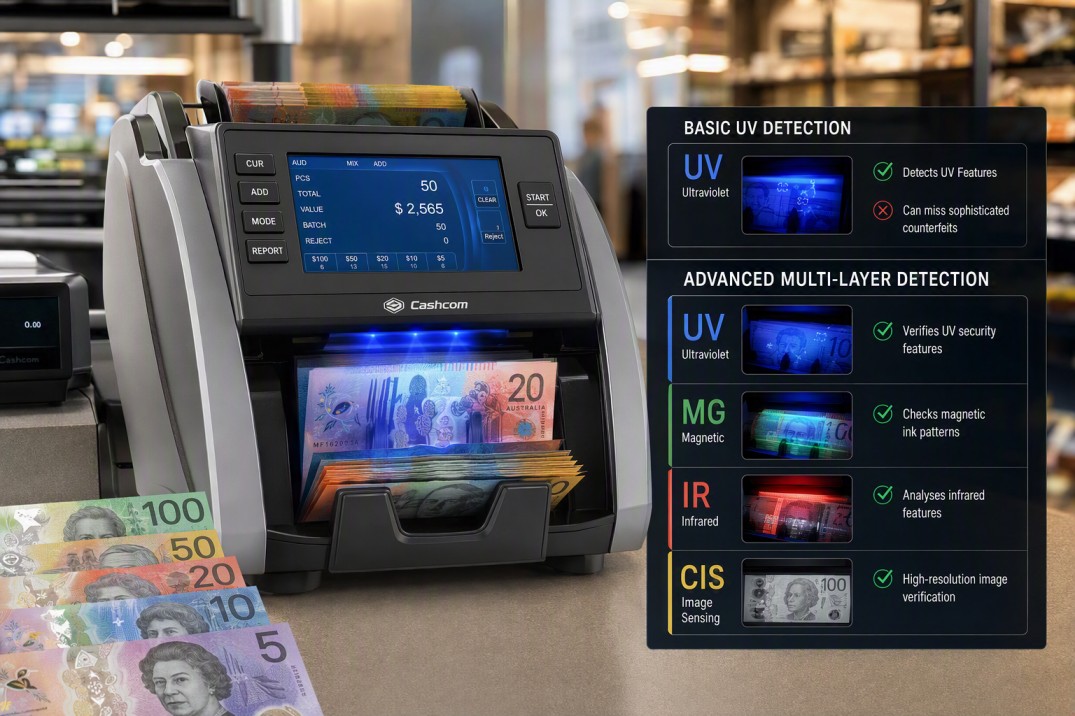
Quick Answer No. UV-only detection is not sufficient for commercial business use in Australia in 2026. UV (ultraviolet) detection was the standard when Australian banknotes were primarily paper-based. Modern...
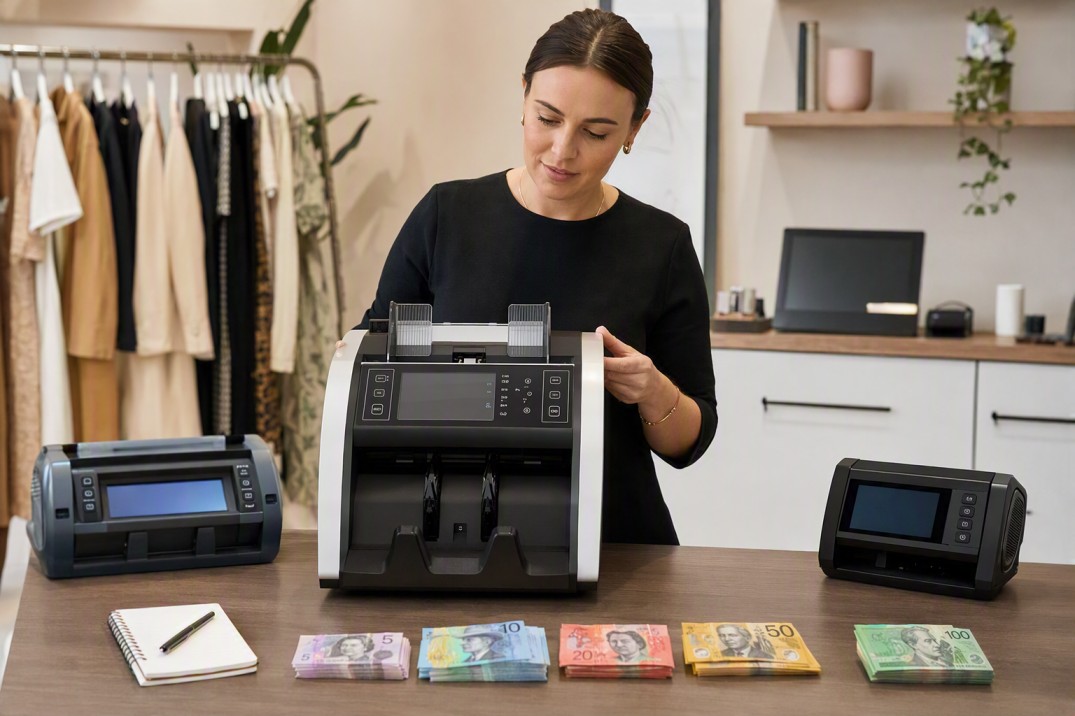
Quick Answer For most Australian small businesses, choosing a cash counting machine comes down to four questions: • How many notes do you count per day? Under 300: the...
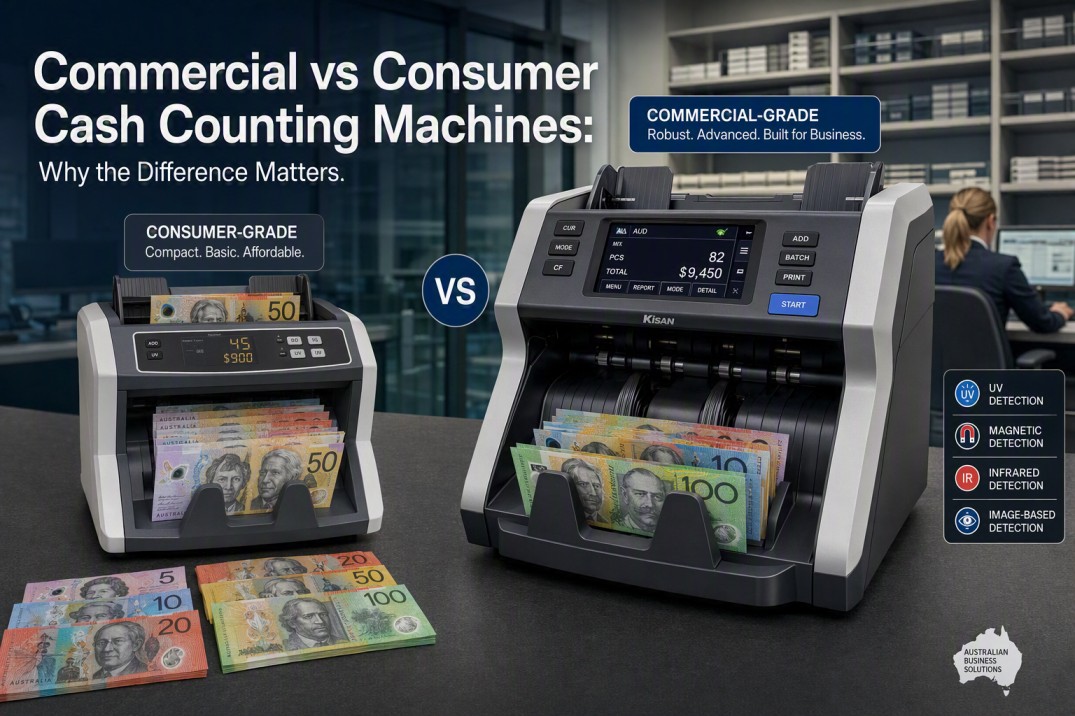
Quick Answer Consumer-grade cash counting machines (typically $30–$100) are designed for occasional, light use — they count notes and check UV. Commercial-grade machines are engineered for daily business use,...
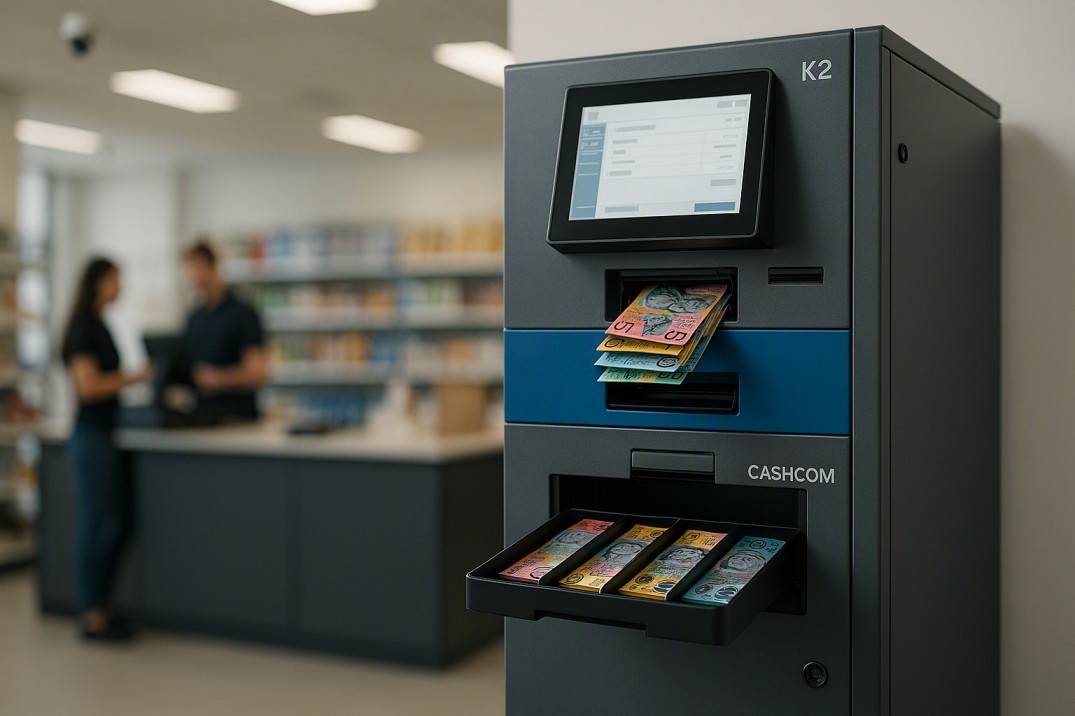
A Note on Terminology Notes recycler, cash recycler, and money recycler all refer to the same equipment category. This guide uses these terms interchangeably. The Cashcom K2 Cash Recycler...
A Note on Terminology Cash recycler, money recycler, and notes recycler all describe the same machine category. This guide uses these terms interchangeably. The Cashcom K2 Cash Recycler is...
A Note on Terminology Cash recycler and money recycler and notes recycler all refer to the same machine category. Likewise, cash counter, money counter, and notes counter are the...
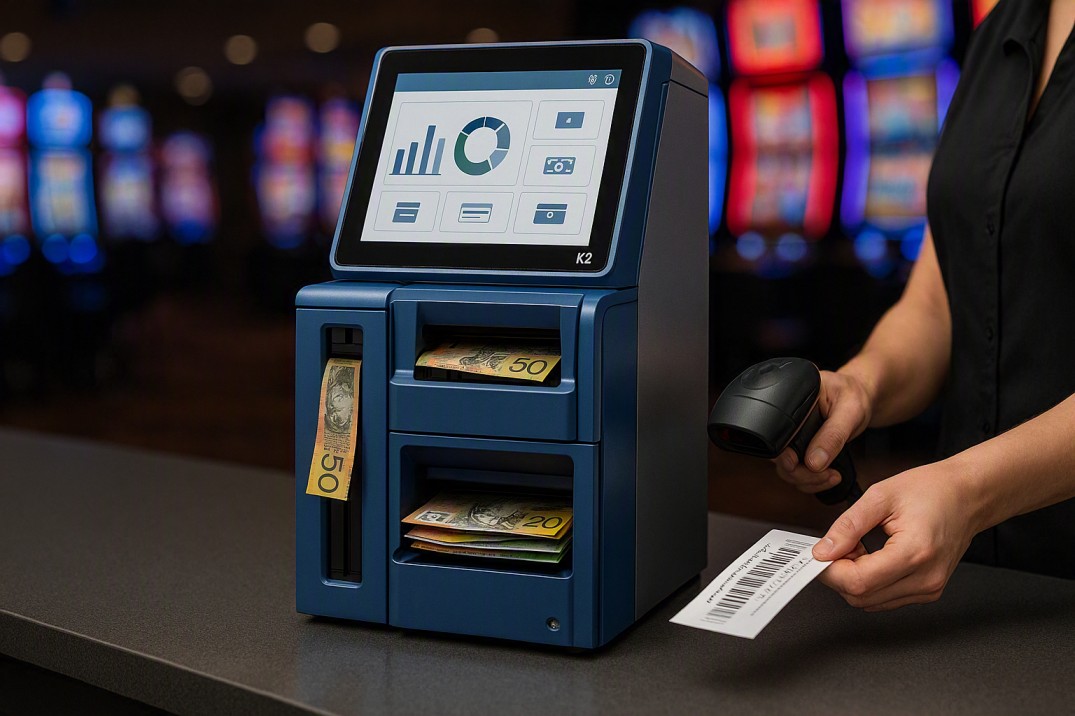
Quick Answer A cash recycler machine automates the most time-consuming parts of retail float management — morning float preparation, mid-shift top-ups, and end-of-day reconciliation — by storing accepted notes...
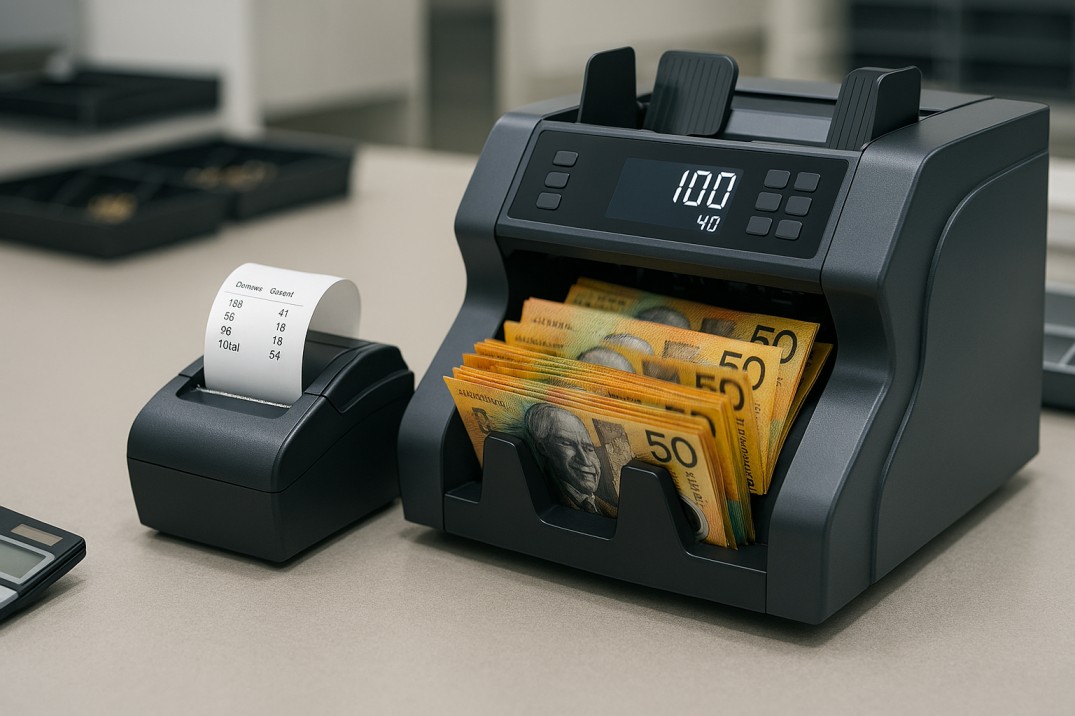
What Does a Receipt Printer Actually Do on a Money Counting Machine? The printer function on a commercial money counter is not a receipt printer in the retail point-of-sale...